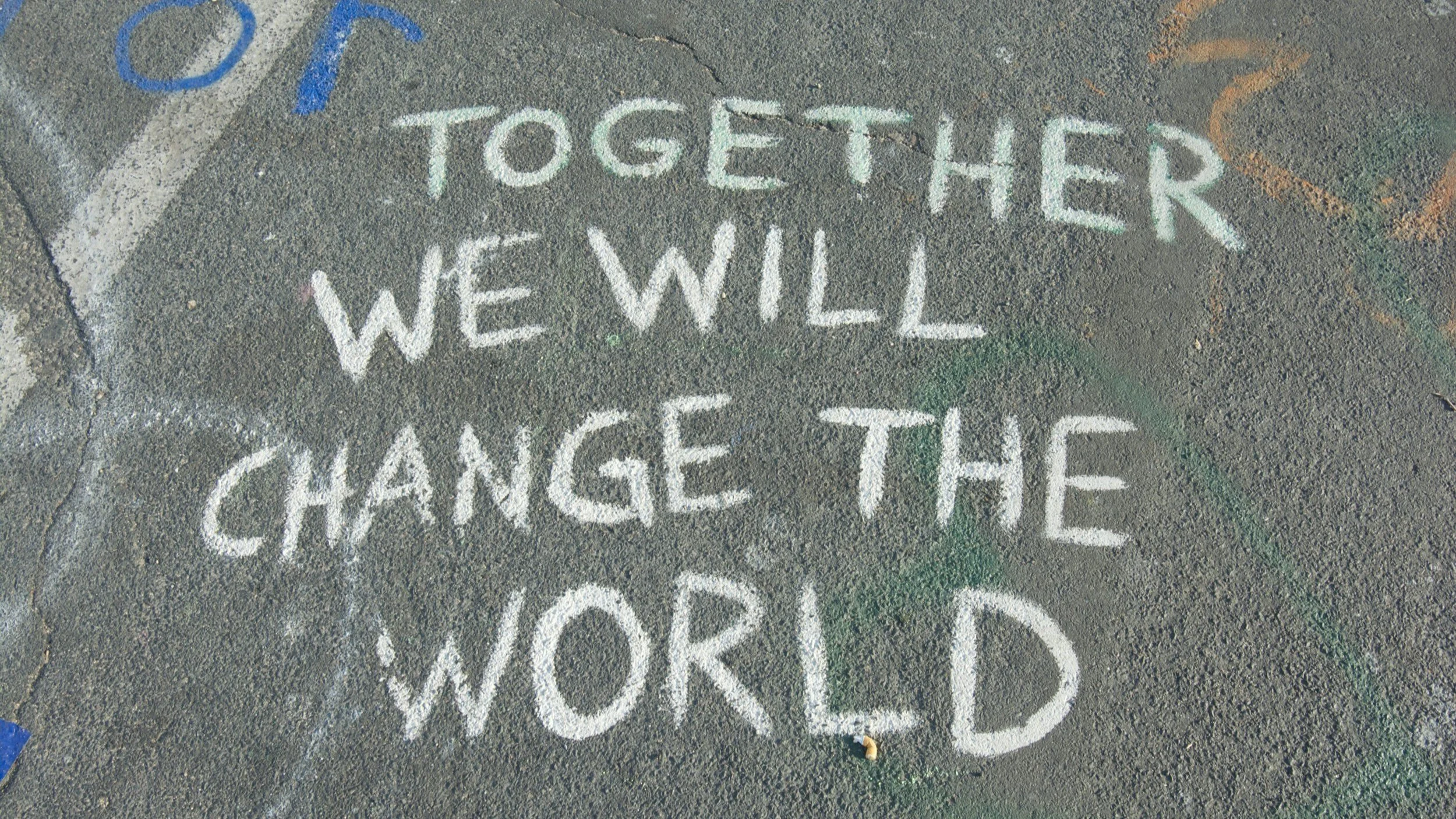
“No Kings”
It’s time.
“It’s not about hate — it’s about voice, choice, and accountability.”


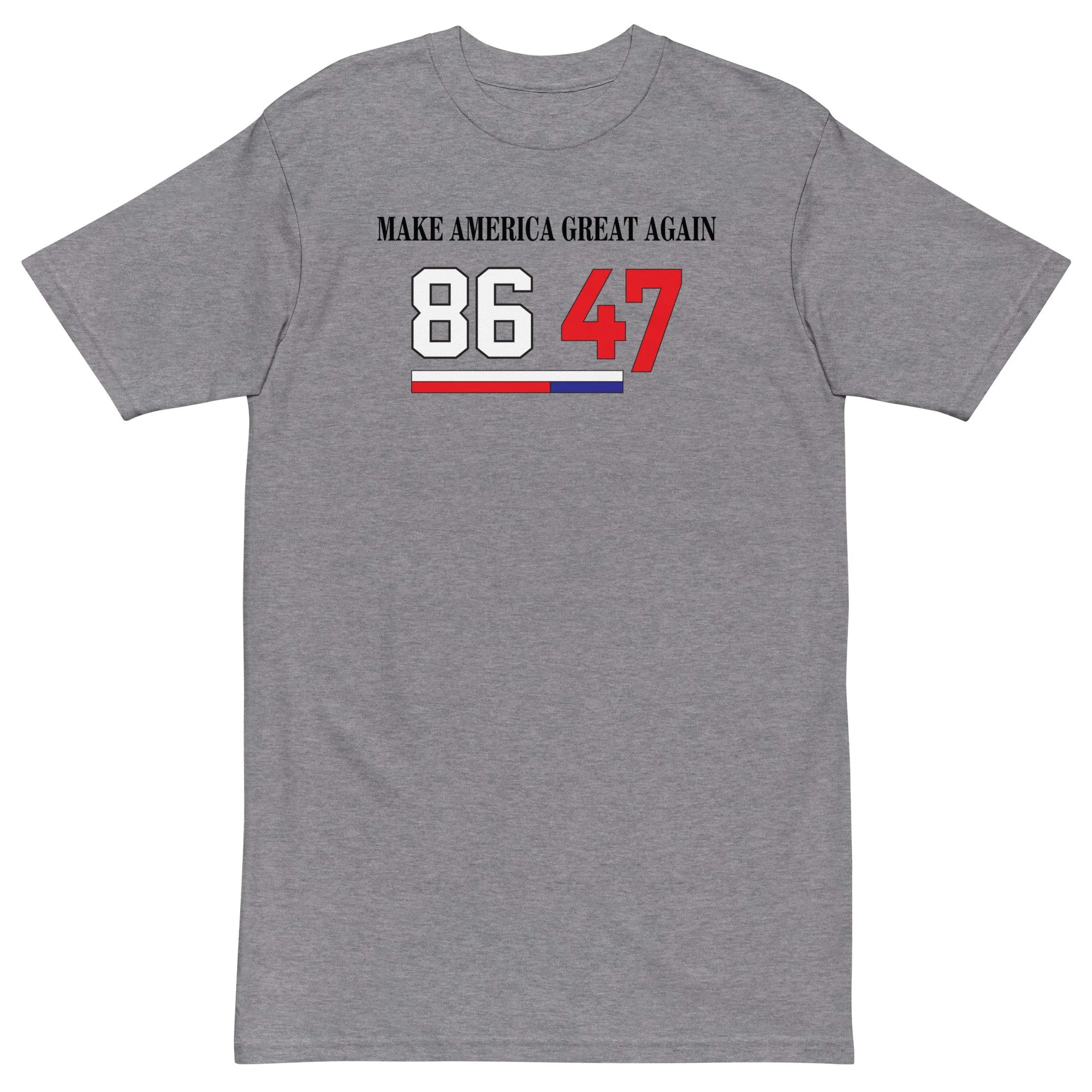


“Wear the message.”
“No Kings.”
8647- Comey update
The term "86 47" refers to a controversial slogan and a high-profile federal case against former FBI Director James Comey, who was indicted in late April 2026 for a social media post featuring the phrase. [1, 2]
Meaning of the Slogan
"86": Service industry slang for "canceling," "removing," or "getting rid of" something.
"47": Refers to Donald Trump, who is the 47th President of the United States.
Together: While many interpret the phrase as a political message to remove the President from office, the U.S. Justice Department has characterized it as a threat on his life. [1, 3, 4, 5]
Latest Legal Developments (May 2026)
Indictment and Charges: Comey faces two counts: making a threat against the president and transmitting a threat in interstate commerce. Each charge carries a maximum penalty of five years in prison.
Court Schedule:
June 30, 2026: Comey is scheduled for arraignment in New Bern, North Carolina, where he is expected to enter a formal plea.
July 15, 2026: A federal judge has tentatively set the trial date for this day.
Defense Stance: Comey has denied wrongdoing, stating he found the "86 47" shell arrangement on a beach, assumed it was a political message, and did not realize it could be associated with violence. His legal team has signaled plans to file a motion to dismiss, arguing the prosecution is "vindictive and selective".
Policy Clarification: Acting Attorney General Todd Blanche stated that others who post the "86 47" message will not be charged like Comey, claiming the department has additional evidence specific to the former FBI director. [2, 3, 5, 6, 7]
Political Impact
The slogan has recently resurfaced at various May Day protests across the U.S., with demonstrators seen holding signs featuring the numbers to push for "86ing the whole regime". [4]
As of April 30, 2026, the latest development is that former FBI Director James Comey has been indicted again, this time over his May 2025 Instagram post showing seashells arranged as “86 47.”
What happened
Comey posted a beach photo in May 2025 showing shells arranged to read “86 47,” with a caption along the lines of a “cool shell formation.” Trump allies interpreted it as a coded threat: “86” can mean “get rid of” or “eliminate,” and “47” refers to Donald Trump as the 47th president. Comey deleted the post and denied any violent intent. (ABC News)
The indictment
The Justice Department says a federal grand jury in the Eastern District of North Carolina indicted Comey on charges related to threats against President Trump. DOJ’s official announcement says Comey was charged with making threats to harm the president. (Department of Justice)
Reporting says the indictment alleges that Comey’s Instagram post was a threat because a reasonable recipient familiar with the context would interpret “86 47” as a serious expression of intent to harm Trump. (Ars Technica)
Why it is controversial
The core dispute is whether the post was:
A political anti-Trump message: “86” can mean reject, remove, toss out, or get rid of — common in restaurants and slang.
A threat: Trump allies argue that paired with “47,” the phrase implies eliminating Trump physically, not merely politically.
Protected speech: Critics argue the indictment criminalizes ambiguous political expression and lacks evidence Comey intended a threat.
The strongest legal issue appears to be intent. Legal analysts are already pointing to Elonis v. United States, a 2015 Supreme Court case involving online threats. The key principle is that prosecutors generally need more than “someone reasonably found it threatening”; they must prove the speaker had a culpable mental state, such as intent or knowledge that the communication would be understood as a threat. (Justia Law)
Political reaction
Supporters of the indictment say Comey, as a former FBI director, should have understood how “86 47” could be read and should be held to a high standard. Critics call the prosecution politically retaliatory and argue that similar anti-Biden “86 46” references were not treated the same way. (New York Post)
Alina Habba defended the indictment during a contentious appearance on The View, while hosts pushed back by arguing that “86” has nonviolent meanings and that the case looks politically motivated. (New York Post)
Context: Comey’s earlier indictment
This is being described as Comey’s second indictment under the Trump Justice Department. The first, in 2025, involved false-statement and obstruction allegations tied to congressional testimony, but it was later dismissed after a judge found problems with the prosecutor’s appointment. (Department of Justice)
Bottom line
The indictment is real and current, but the case looks legally vulnerable. The prosecution will likely need to prove that Comey did more than post an ambiguous political message — it will need evidence that he intended, knew, or at least consciously disregarded that the post would be understood as a serious threat. Without that, the defense will likely argue the indictment violates First Amendment protections for political speech.
No Kings - update
As of May 1, 2026, the “No Kings” movement has shifted from a single anti-Trump protest brand into a broader pro-democracy, labor, immigration-rights, and anti-billionaire-power coalition.
What just happened: The latest major wave is today’s May Day Strong action, framed around “no school, no work, no shopping.” Organizers are calling for an economic boycott and rallies across the U.S. to protest Trump administration policies, ICE activity, war/foreign policy, and what they describe as billionaire capture of government. The Guardian reports more than 3,500 May Day Strong events, while NPR-affiliated reporting says the actions are explicitly picking up the mantle of the earlier “No Kings” protests. (The Guardian)
The recent peak: The big “No Kings” day was March 28, 2026, with protests in cities and towns across the U.S. ABC News reported that organizers estimated about 8 million participants nationwide; that figure is an organizer estimate, not an independent government count. CBS reported rallies also happened internationally, with versions of the movement appearing in Europe, Latin America, Australia, and countries where organizers used alternate language such as “No Tyrants.” (ABC News)
Core message: The movement’s slogan is basically anti-monarchy as a metaphor: protesters argue that Trump is governing in an authoritarian, king-like way. Their stated concerns include immigration raids, use of federal power, attacks on democratic norms, war powers, cuts to services, and policies favoring billionaires over workers. The official No Kings site describes the March 28 events as a nationwide day of action and points supporters toward “what’s next.” (No Kings)
Where it’s headed: Today’s May Day actions appear to be the next organizational step: less just “show up and march,” more economic non-cooperation. Labor unions, immigrant-rights groups, student groups, teachers’ unions, democratic-socialist organizations, and local coalitions are involved. AP’s May Day coverage places the U.S. actions within broader global labor protests, with U.S. rallies tying labor rights to opposition to Trump’s immigration and foreign policies. (AP News)
Flashpoints: Most coverage frames the movement as large and decentralized, but some events have had confrontations. In Los Angeles after the March 28 rally, ABC7 reported dispersal orders, detentions, tear gas, and a heavy police presence near federal buildings after a smaller group clashed with officers. (ABC7 Los Angeles)
Bottom line: “No Kings” has become a broad anti-Trump protest banner, and the latest news is that it is feeding directly into May Day Strong, a nationwide economic-protest push. The movement’s next phase seems aimed at turning mass turnout into sustained pressure through labor, school, consumer, and local organizing networks.